Beginner's Guide to Getting Into VR Gaming in 2026
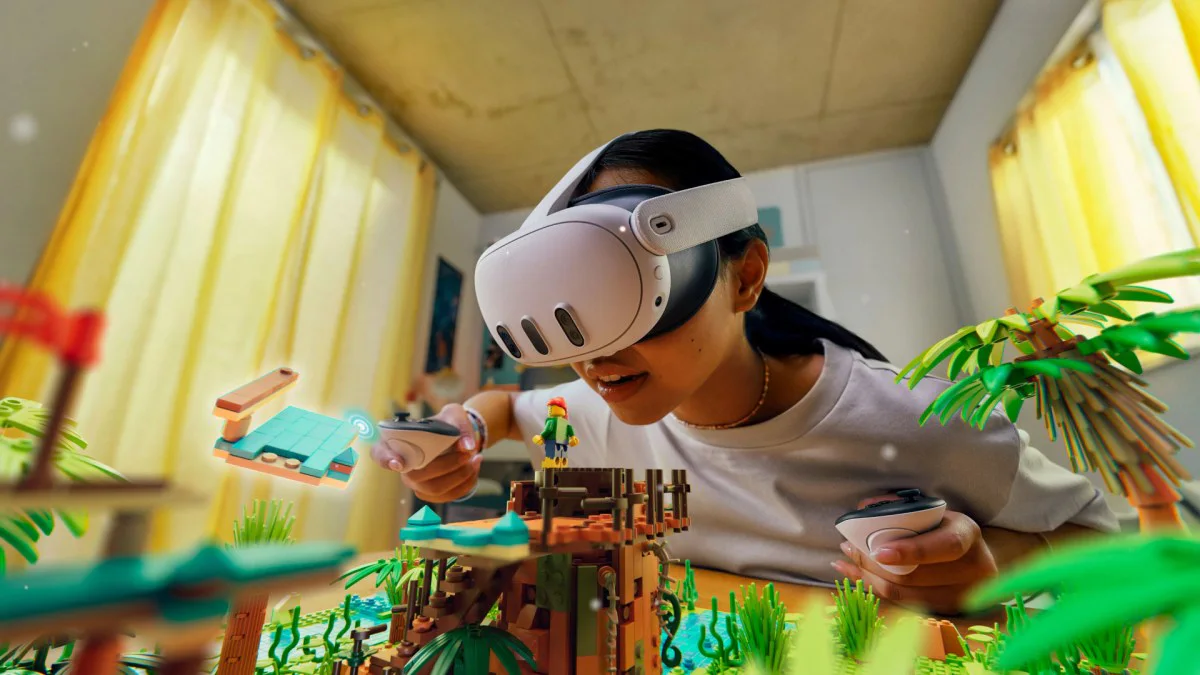
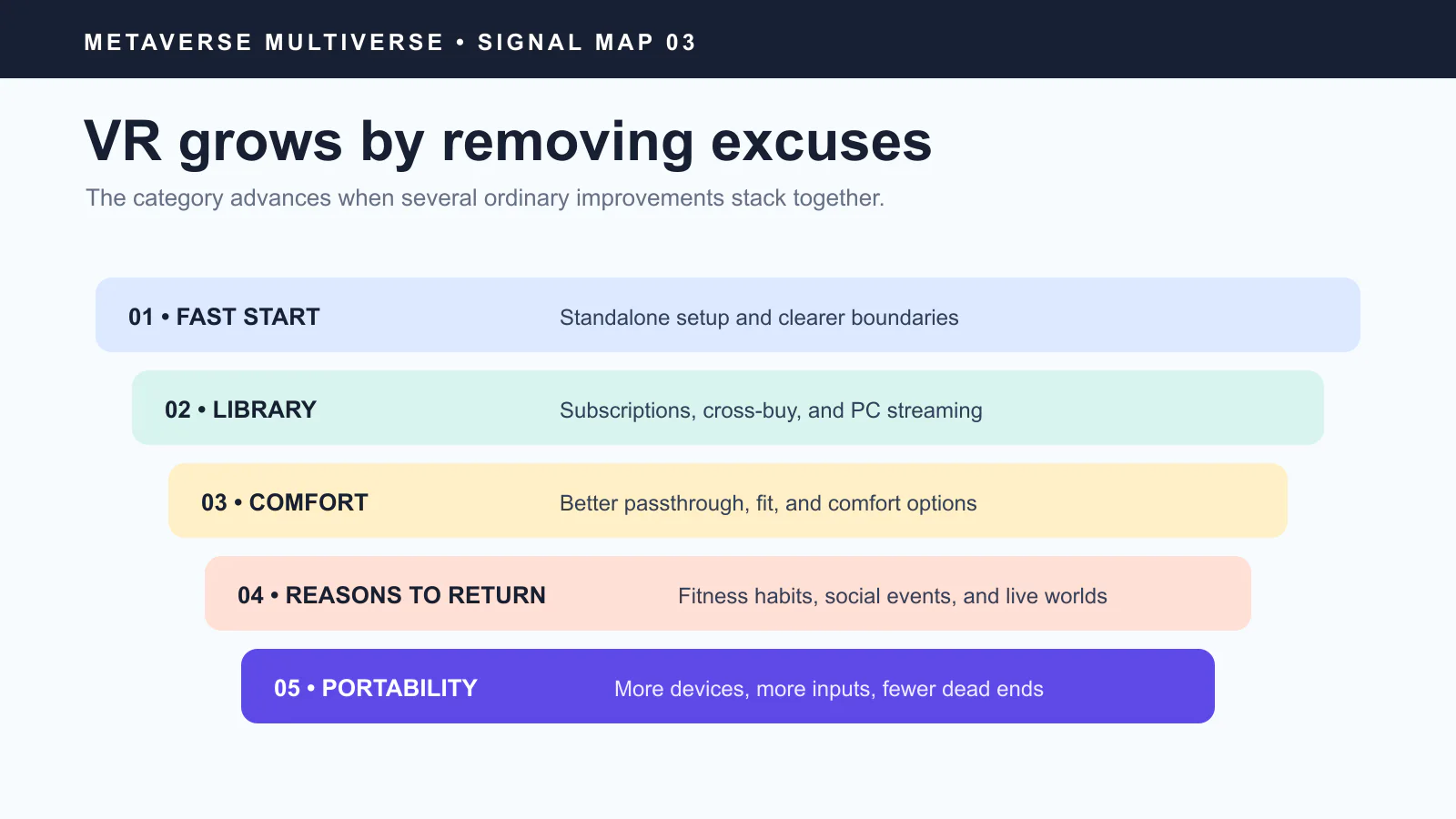
For many people who are curious about VR, the barrier is not a lack of interest. It is the fog of jargon: standalone versus tethered, refresh rates, guardian boundaries, six degrees of freedom, and a dozen acronyms that make a simple hobby sound like a certification exam. In 2026 the actual on-ramp is far gentler than the vocabulary implies. If you can set up a game console, you can set up a headset. This guide strips it down to the decisions that matter and the ones you can safely ignore.
Step one: pick the right first headset
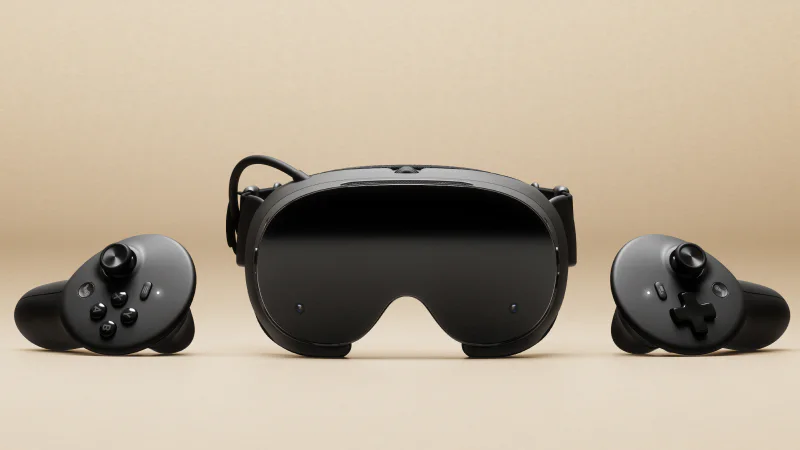
You do not need the best headset. You need the right first one. For almost every newcomer in 2026, that means a standalone headset: no PC, no cables, no external sensors. You put it on and you are playing.
- Standalone (recommended for beginners). Runs games on its own. The Meta Quest family is a common standalone reference point, with budget and standard options; compare the currently available models before buying.
- PC-connected or streaming. More power and higher-end games, but adds cost and setup. Newer standalone headsets can wirelessly stream a PC library, which softens this tradeoff if you already own a gaming PC.
- Premium spatial computers. Devices like Apple’s Vision Pro and Samsung’s Galaxy XR are capable spatial-computing products, but they sit far above mainstream gaming headsets in price and scope.
Skip the spec obsession. For your first headset, comfort on your face and a healthy game library matter more than chasing the highest numbers.
Step two: set up your space and your body
VR is physical, so two kinds of setup matter: the room and you.
For the room, clear a play area you can swing your arms in without hitting a lamp. Every modern headset walks you through drawing a boundary that warns you before you wander into furniture. Do it honestly; a generous boundary is a safe boundary.
For your body, respect motion sickness. It is the single most common reason people bounce off VR, and it is very manageable:
- Start with stationary or room-scale games before anything with artificial locomotion.
- Use teleport or comfort movement options before smooth sliding movement.
- Play in short sessions at first, 15 to 20 minutes, and stop the moment you feel off.
- Comfort tolerance varies. Increase session length gradually, never try to push through nausea, and stop immediately if you feel unwell.
Step three: your first games
Ease in with experiences that show off presence without overwhelming your inner ear.
| Category | Why it is good for beginners | Feel |
|---|---|---|
| Rhythm and fitness | Stationary, intuitive, instantly fun | Comfortable |
| Puzzle and escape rooms | Slow pace, no fast movement | Very comfortable |
| Social and creative worlds | Low stakes, lots to explore | Comfortable |
| Seated cockpit games | You sit still while the world moves | Moderate |
| Fast action and survival | Thrilling but intense | Save for later |
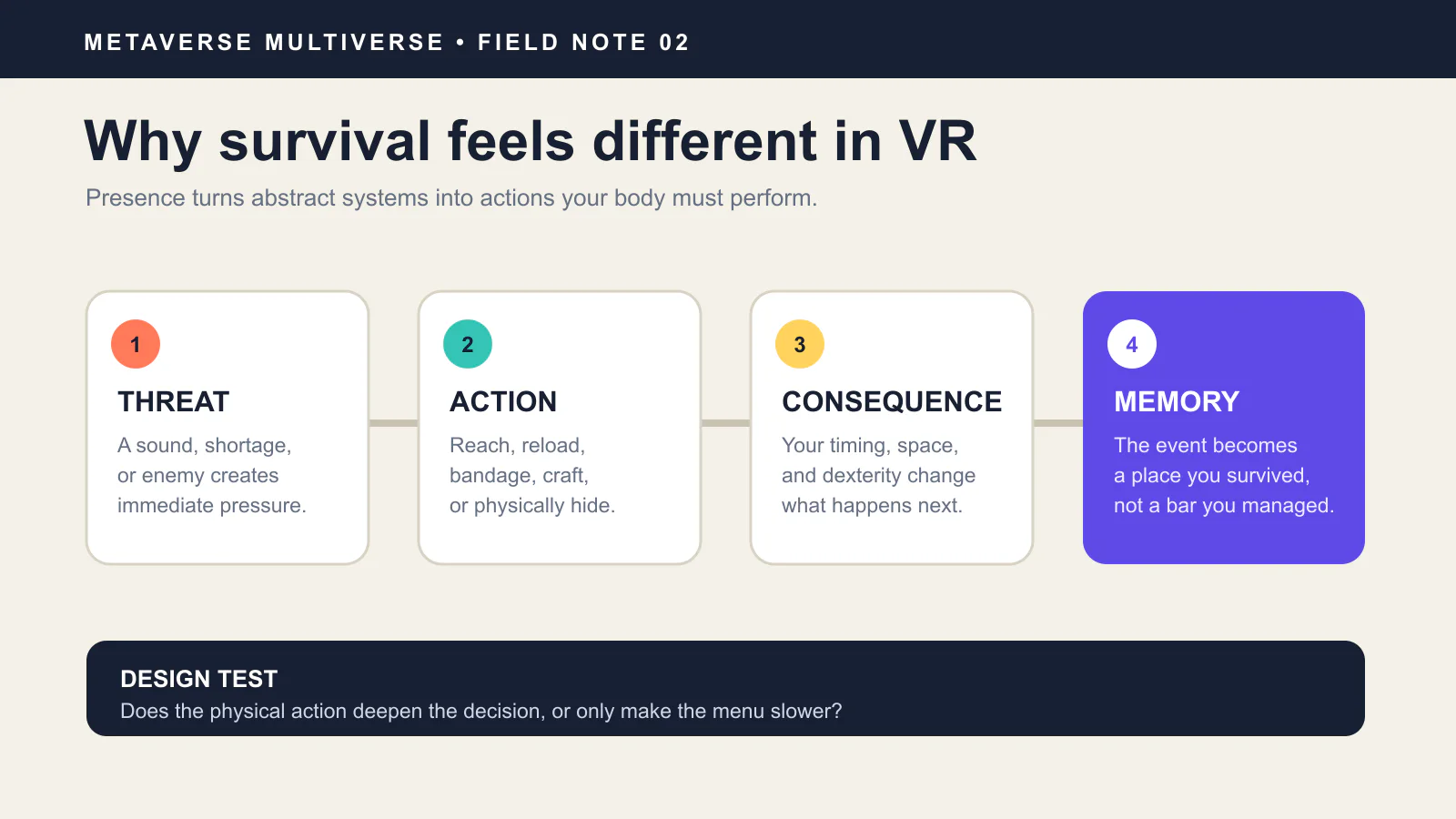
Once your VR legs are in, action, horror, and survival titles are where the medium really flexes. There is no rush to get there.
FAQ
How much should I spend as a beginner? A standalone headset in the mid-hundreds range is the sweet spot. It is enough to see whether VR clicks for you without a premium gamble.
Will I definitely get motion sick? Not necessarily. Sensitivity and adaptation vary from person to person. Start slowly, choose comfortable experiences, stop when symptoms appear, and follow the headset maker’s safety guidance.
Do I need a big room? No. Many great games are seated or standing-in-place. A clear arm-span of space is plenty to begin.
Standalone or PC? Standalone for your first headset, almost always. You can add PC streaming later if you catch the bug.
Key takeaway
Getting into VR in 2026 is simpler than the jargon suggests: pick a standalone headset, clear a little space, ease in slowly, and start with comfortable games. The safest start is a deliberate one: verify current hardware, protect your play space, and give yourself a gentle first week.
Published by BudLeiser, the studio behind Metaverse Multiverse.
Product and safety sources
vrvr-gamingbeginnersvr-headsets2026